|
10 Tips For Senior Air Travelers Who Need Help |
 |
 |
 |
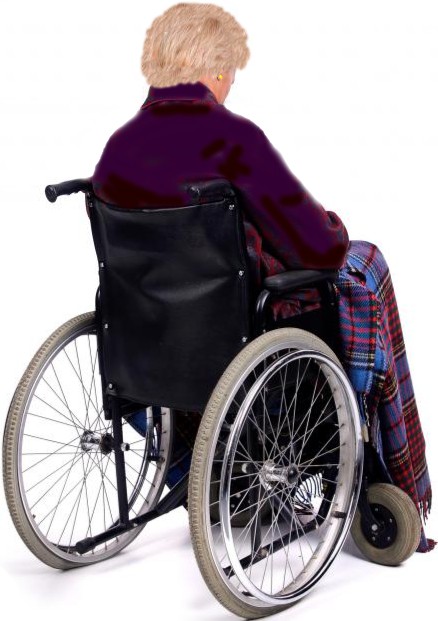
Senior Visiting Editor PJL, Tampa FL: For the first time in decades as a healthy frequent flyer, this year I’ve had to travel as a disabled person. After nearly 70 years of excellent health, advanced arthritis now requires a cane and walker.
These days, as we prepare to visit faraway family and friends, my own experiences may help ease similar needs of other senior physically-challenged travelers.
1. Check with your physician to discuss upcoming travel plans. If your medical condition is not up to the expected difficulties, consider postponing or canceling the trip. Don’t attempt stressful activities that could worsen your health, as well as cause concern and inconvenience for those traveling with you.
2. Once approved, take an adequate supply of all meds you normally use daily, both prescription and over-the-counter. Take enough for all time you’ll be away from home, plus extra in case you’re delayed. Put all into a see-through pouch, so that airport inspectors can quickly examine them.
It’s also important to include your doctor’s signed prescription forms that cover those meds, as well as the doctor’s address and phone number. Keep a copy of the list of your daily meds on you at all times while traveling.
3. Get to the airport at the suggested times, at least an hour early for domestic, and two hours before overseas flights. If you’ll be traveling during holiday and other heavy-traffic times, allow more time. With crowded highways and jammed airport parking lots, arriving early has to be a priority.
4. If you need to be wheeled through the airport, call at least a day ahead of your flight to schedule a wheelchair and attendant. Include your flight number and time of arrival at the airport. Do the same for return trips. If traveling with a handy dog, be sure to check ahead with the airline for all requirements involved.
5. Have within reach a well-charged Smartphone at all times during your airline trip. It gives you an extra level of security that will make the trip safer.
6. Get plenty of rest at home before your flight. With security requirements, crowded facilities and uncertain schedules, you’ll need all the stamina you can muster.
If there will be delays in the crowded waiting area of more than an hour, ask airport or airline reps if there’s a special rest area you can use. Some airports rent out private waiting spaces, while upscale airlines offer restful club areas for frequent flyers.
7. Before you go, especially on flights that last more than two hours, eat and drink sparingly. With your disability, it’s often difficult to get out of your seat and to the aircraft bathroom.
8. If your disability makes flying too compressed for you in a tight tourist airline seat, consider paying for an upgrade to a larger, more comfortable one. Although your bank account will suffer a bit, your body will thank you. |